Heart Attack First Aid: A Complete Guide
Introduction
A heart attack can strike suddenly and without warning, making it one of the most serious medical emergencies. Quick action can save lives, which is why Heart Attack First Aid is a vital skill for everyone to learn. By recognizing the signs and knowing what to do, you can provide immediate support until professional medical help arrives. This article explains what heart attack first aid involves, its importance, step-by-step actions, and how communities can benefit from widespread knowledge of these life-saving techniques.
What Is Heart Attack First Aid?
Heart Attack First Aid refers to the immediate steps taken to help a person who is suspected of having a heart attack. These measures do not cure the problem but buy crucial time until emergency services take over.
The goal of heart attack first aid is to:
- Recognize the symptoms quickly.
- Call for emergency medical help immediately.
- Provide comfort and support to the victim.
- Administer basic first aid measures, such as aspirin (if appropriate).
- Use CPR or an automated external defibrillator (AED) if necessary.
Recognizing the Signs of a Heart Attack
Early recognition can mean the difference between life and death. Common symptoms include:
- Chest pain or pressure: Usually lasting more than a few minutes.
- Pain spreading: To the arms, back, neck, jaw, or stomach.
- Shortness of breath: Even when resting.
- Cold sweat: Sudden and unexplained.
- Nausea or vomiting: Especially in women.
- Lightheadedness or dizziness: A feeling of faintness.
Silent Heart Attacks
Not all heart attacks present with severe chest pain. Some are “silent,” with mild or atypical symptoms, especially in women, older adults, and people with diabetes. This makes awareness even more critical.
Immediate Steps for Heart Attack First Aid
Step 1: Call Emergency Services
The first and most important step is to call emergency medical help immediately. Do not attempt to drive the person yourself unless there is absolutely no alternative.
Step 2: Keep the Person Calm
Encourage the individual to sit down, stay still, and remain calm. This reduces strain on the heart while waiting for help.
Step 3: Loosen Tight Clothing
Tight clothing can restrict breathing. Loosening belts, ties, or collars helps make the person more comfortable.
Step 4: Administer Aspirin (If Safe)
If the person is conscious, not allergic, and has no bleeding problems, give them a 325 mg aspirin tablet to chew slowly. Aspirin helps thin the blood and improve circulation.
Step 5: Provide Nitroglycerin (If Prescribed)
If the person has been prescribed nitroglycerin for heart conditions, assist them in taking it as directed.
Step 6: Be Prepared for CPR
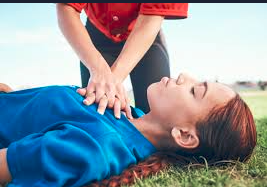
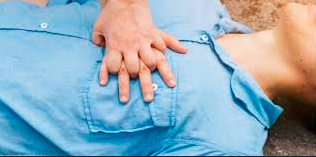
If the person collapses and is unresponsive, start CPR immediately. Push hard and fast in the center of the chest at a rate of 100–120 compressions per minute.
Step 7: Use an AED If Available
An automated external defibrillator (AED) can deliver a shock to restart the heart. Follow the device instructions until emergency responders arrive.
Why Heart Attack First Aid Is Essential
first aid is more than just a skill; it’s a responsibility.
- Saves lives: Immediate action can double or even triple survival chances.
- Prevents complications: Quick treatment reduces heart damage.
- Provides reassurance: Offering calm support helps the victim and bystanders.
- Builds community resilience: Widespread knowledge ensures more people are prepared.
First Aid in the Workplace
Heart attacks can happen anywhere, including offices, factories, or construction sites. Workplaces benefit greatly from having trained employees who can:
- Recognize symptoms early.
- Use available first aid kits and AEDs.
- Provide quick action before emergency responders arrive.
- Reduce panic by guiding others on what to do.
Employers should consider first aid training programs and AED installations as part of their workplace safety plans.
Training and Certification for Heart Attack First Aid
Becoming certified in first aid or CPR is straightforward and widely available. Organizations such as the Red Cross, American Heart Association, and St. John Ambulance offer training that includes:
- CPR and AED use.
- Recognition of cardiac emergencies.
- Practical, hands-on learning.
Certification boosts confidence and ensures you are prepared for real-life situations.
Mistakes to Avoid During Heart Attack First Aid
While helping, it’s important to avoid common errors:
- Do not ignore symptoms: Even mild chest pain should be taken seriously.
- Do not delay calling emergency services: Minutes can save lives.
- Do not give food or drink: The person may need medical procedures soon.
- Do not force medication: Only assist with aspirin or prescribed nitroglycerin when safe.
- Do not panic: Staying calm ensures effective action.
Long-Term Prevention of Heart Attacks
While first aid is critical during emergencies, prevention is equally important. Healthy lifestyle choices can lower the risk of heart disease.
Preventive Measures
- Eat a balanced diet rich in fruits, vegetables, and whole grains.
- Exercise regularly (at least 30 minutes a day, 5 times a week).
- Avoid smoking and limit alcohol intake.
- Manage stress through relaxation techniques.
- Monitor blood pressure, cholesterol, and blood sugar levels.
- Get regular checkups with a healthcare provider.
The Role of Communities in Promoting Heart Attack First Aid
Communities that prioritize health education and training are safer places to live. Local governments, schools, and organizations can promote awareness by:
- Hosting first aid workshops.
- Installing AEDs in public spaces.
- Offering CPR training at a low cost.
- Encouraging healthy lifestyle campaigns.
By spreading awareness, more people can respond effectively when seconds count.
Conclusion
Heart Attack First Aid is an essential life-saving skill that everyone should know. Recognizing symptoms quickly, calling emergency services without delay, and providing immediate support can dramatically improve survival chances. Whether at home, work, or in the community, being prepared to act confidently during a heart attack makes a life-changing difference. By learning and practicing heart attack first aid, we can all contribute to healthier and safer communities.
FAQs About Heart Attack First Aid
1. What should I do first if someone is having a heart attack?
Immediately call emergency services and keep the person calm while waiting for help.
2. Can aspirin help during a heart attack?
Yes, if the person is conscious and not allergic, a standard aspirin can reduce blood clotting and improve survival chances.
3. Should I perform CPR on someone having a heart attack?
Only if the person becomes unresponsive and stops breathing normally. In that case, start CPR right away.
4. What role does an AED play in heart attack first aid?
An AED can restore normal heart rhythm during cardiac arrest, which sometimes follows a heart attack.
5. Can lifestyle changes prevent heart attacks?
Yes, healthy eating, exercise, stress management, and medical checkups significantly reduce the risk.